Generic Component Types
The following page documents the generic component types of HyperVehicle. These are not vehicle-specific. Note that an example script is provided for each component type in the HyperVehicle examples directory.
Revolved Component
Example: revolved.py
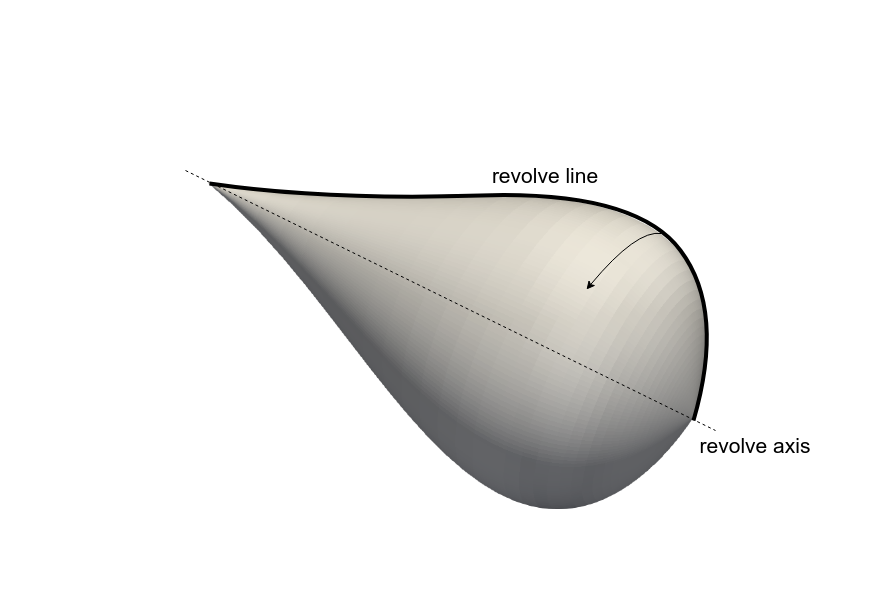
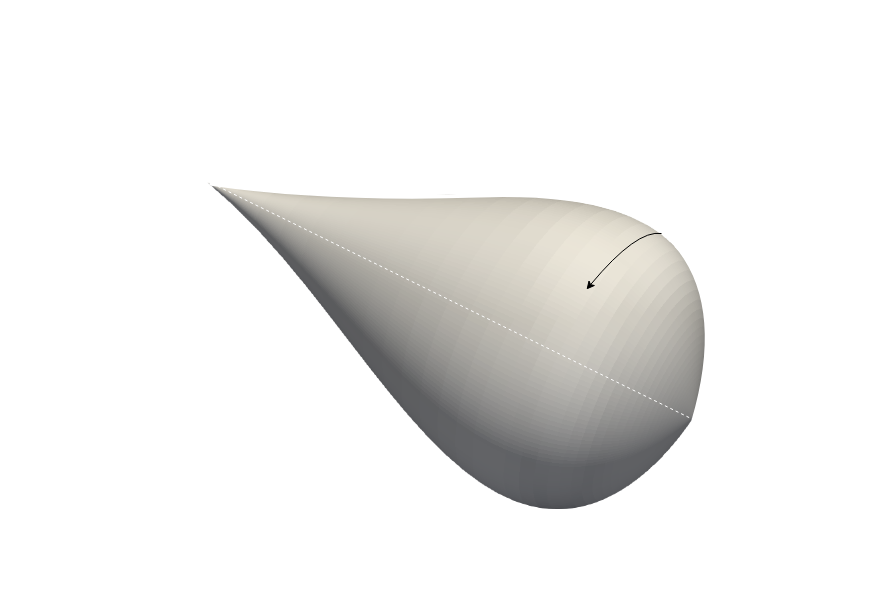
Revolved geometries can be constructed using the RevolvedComponent.
This component is defined by the line to be revolved, as shown in the example below.
Swept Component
Example: swept.py
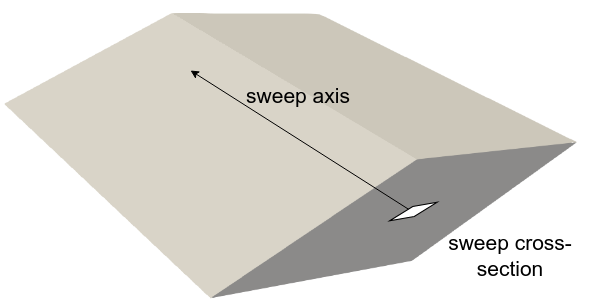
Swept geometries can be constructed using a SweptComponent type. This
component requires a series of cross-sectional patches to be defined. These cross-sections
then get swept through the sweep axis, to form a geometry such as that shown below.
Cube Component
Example: cube.py
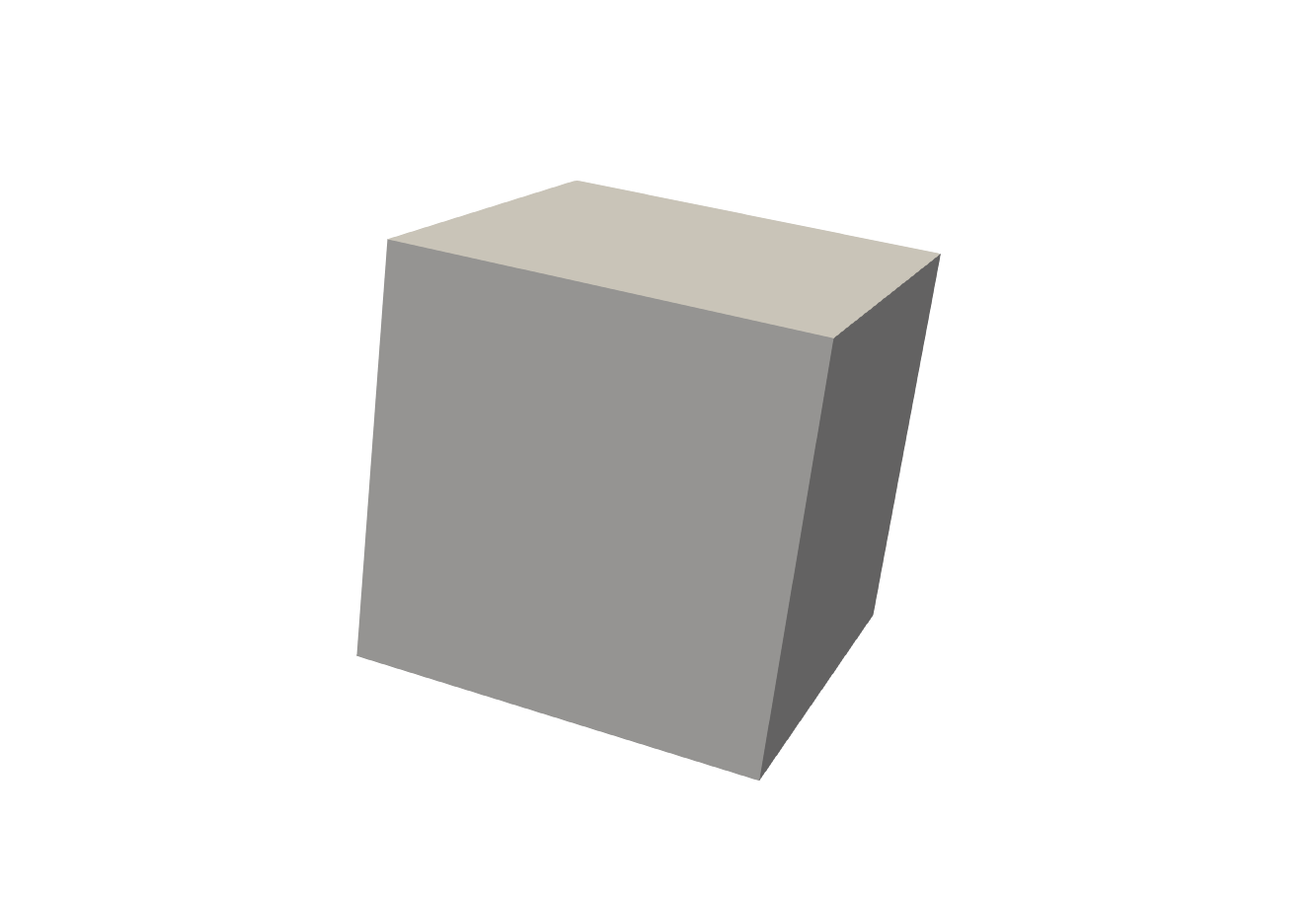
A cube can be constructed via the Cube class. It only requires the cube side
length to be provided. The cente of the cube can also be specified.
Sphere Component
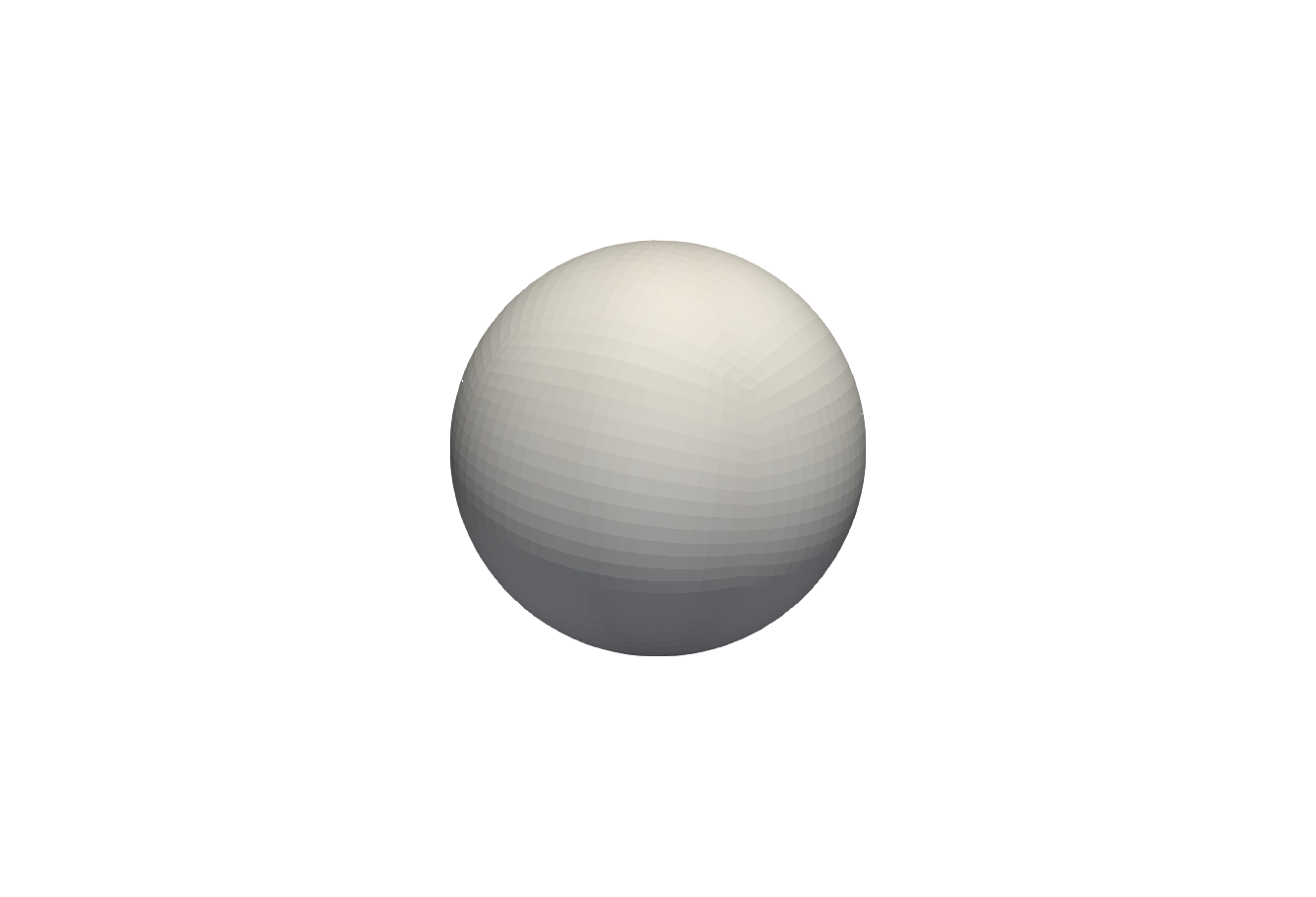
Example: sphere.py
A sphere can be constructed using the Sphere class. Like the cube, it
only requires a radius to be defined. The cente of the sphere can also be specified.
Composite Component
In some advanced instances, you may wish to combine the patches of various components
into a single component. Or, you may have defined your own patch types. For this purpose,
the CompositeComponent class is available. This class allows a user to stack
individual Component objects to form a composite, which can then be added to
the Vehicle, for example.